


In a world flooded with polished ads, staged influencers, and AI-generated content, there’s one marketing currency more valuable than ever before: authenticity.
Modern consumers have developed radar-like sensitivity to insincerity. They can spot fake promises, inflated claims, and performative marketing instantly. And when they do, trust evaporates.
That’s why authenticity has become the foundation of successful marketing in 2025. It’s no longer enough to say what customers want to hear — brands must show who they truly are.
When your marketing feels genuine, your audience doesn’t just listen — they believe.
What Authenticity Really Means in Marketing
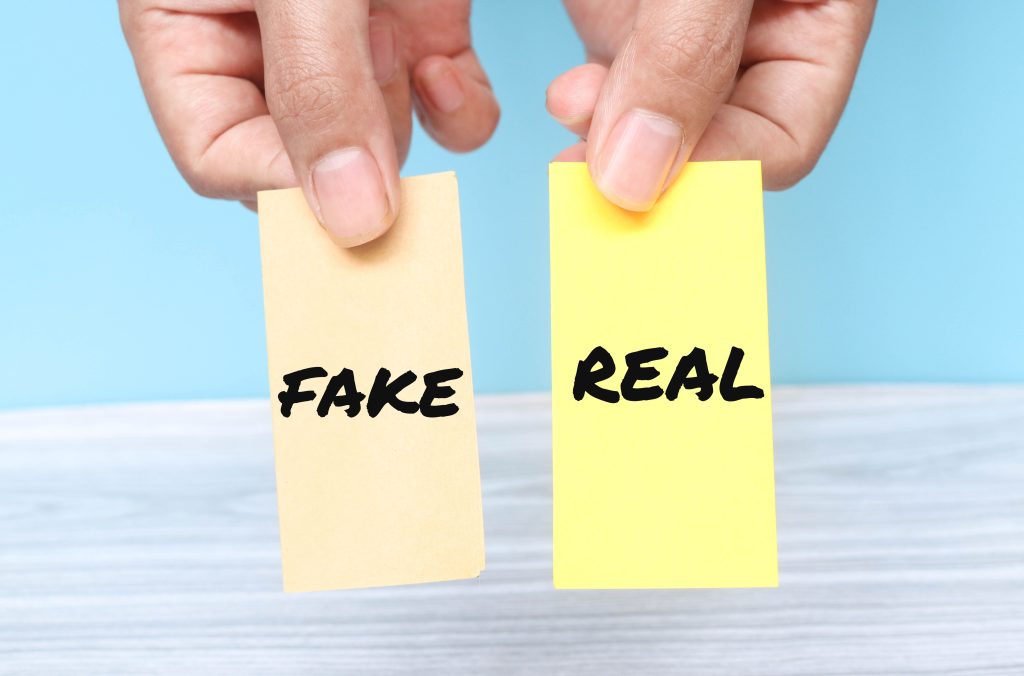
Authenticity isn’t about perfection; it’s about honesty.
It’s about being consistent with your values, transparent about your intentions, and human in your communication.
According to a Stackla study, 88% of consumers say authenticity is key when deciding which brands they support.
That means customers don’t just want quality — they want truth.
Authenticity bridges the gap between marketing and meaning, turning customers into believers and brands into movements.
Why Authenticity Is the Future of Marketing

Three shifts have made authenticity essential in 2025:
1. Information Overload
Consumers are bombarded with over 6,000 marketing messages per day (Forbes). In this environment, real stands out.
Authentic content cuts through noise because it feels human — not transactional.
2. The Trust Deficit
Scandals, fake reviews, and algorithmic manipulation have eroded consumer trust. According to Edelman’s Trust Barometer, trust in brands has dropped significantly over the past decade.
The result? Customers now demand transparency.
3. The Rise of Creator-Led Marketing
The explosion of personal brands, micro-influencers, and UGC (user-generated content) has shifted marketing from corporate to conversational. People don’t want to hear from faceless companies — they want to connect with real people behind the brand.
The Psychology of Authentic Marketing

Authenticity works because it satisfies a deep human need: the desire for trust and connection.
When customers sense a brand is genuine, their brains release oxytocin — the same “trust hormone” that fosters human relationships.
This emotional safety increases loyalty, engagement, and advocacy.
In other words: authenticity isn’t just good ethics — it’s smart psychology.
The Pillars of Authentic Marketing

Authenticity isn’t something you declare; it’s something you demonstrate — consistently.
Here are the five core pillars that define authentic brands:
1. Transparency
Be honest about your processes, pricing, and limitations. Customers respect vulnerability more than spin.
Example: Buffer publicly shares its salaries, diversity data, and revenue in real time — proving transparency builds massive trust.
2. Consistency
Authenticity requires coherence between words, visuals, and actions.
If your social posts preach sustainability but your products aren’t eco-friendly, your story collapses.
Consistency builds familiarity, and familiarity builds credibility.
3. Purpose
Customers connect with brands that stand for something bigger than profit.
According to Cone Communications, 78% of consumers believe companies should take action on social issues.
But authenticity means living your purpose daily — not just during campaigns.
4. Empathy
Speak to your audience’s struggles, not just your own success. Brands that understand their customers’ emotions feel real.
Example: Dove’s “Real Beauty” campaign redefined beauty standards through empathy and inclusivity.
5. Accountability
When mistakes happen (and they will), own them.
Nothing strengthens authenticity like humility.
How to Build Authenticity Into Your Brand

1. Define Your “Why”
Start with purpose — why does your business exist beyond making money?
Ask:
- What problem are we here to solve?
- What belief fuels our work?
- What do we stand for, even when it’s unpopular?
Purpose-driven marketing connects emotionally because it communicates meaning, not manipulation.
2. Humanize Your Brand Voice
Drop corporate jargon. Talk like a person.
Your brand voice should reflect your team’s personality and values.
Example: Instead of “We provide optimized solutions for enterprise automation,” say,
“We help small businesses simplify their work so they can focus on what they love.”
Simple, clear, and human always wins.
3. Share Real Stories
Storytelling is the most authentic form of marketing when done truthfully.
- Share founder stories — the struggles, not just the success.
- Showcase customer journeys — raw, unfiltered, relatable.
- Highlight behind-the-scenes moments — imperfections and all.
Audiences don’t connect with perfection — they connect with honesty.
4. Prioritize Community Over Promotion
Engagement is a two-way street. Create spaces where your audience feels heard and valued.
Host discussions, Q&As, and polls on platforms like Facebook Groups or Discord.
Community-first marketing replaces broadcasting with belonging — turning followers into advocates.
5. Practice Ethical Transparency
Be upfront about how you collect and use customer data.
According to Cisco’s Consumer Privacy Report, 91% of consumers are more likely to choose brands that clearly explain how their data is handled.
Tools like GoHighLevel CRM allow ethical automation by tracking consent, offering opt-ins, and maintaining communication transparency.
6. Align Your Visual Identity With Your Values
Design communicates authenticity instantly.
Colors, fonts, and imagery should reflect your story and emotion.
Example: A wellness brand using muted tones and natural textures signals calm and trust.
A tech brand using bold, minimal designs signals innovation and confidence.
Visual consistency reinforces psychological trust subconsciously.
7. Respond Honestly to Feedback
Authentic brands don’t ignore criticism — they embrace it as part of growth.
Publicly acknowledge mistakes, thank customers for feedback, and share how you’re improving.
Honest dialogue builds community, not conflict.
Authenticity in Digital Marketing Channels

1. Social Media
Stop curating perfection. Post real stories, honest reflections, and team moments.
Behind-the-scenes content consistently outperforms polished ads because it feels relatable.
Example: A digital agency shares a failed campaign story and what they learned — this vulnerability attracts more engagement than another “success” post ever could.
2. Email Marketing
Authenticity in email means value-first communication.
- Use conversational language.
- Personalize messages with empathy, not algorithms.
- Share genuine insights or lessons, not just sales pitches.
Tools like GoHighLevel CRM let you automate emails that sound personal — storytelling at scale.
3. Content Marketing
Authentic content educates, empathizes, and empowers.
Instead of “top 10 tricks,” focus on real challenges your audience faces.
Show vulnerability — share case studies that include both wins and lessons learned.
Transparency in content creates authority through humility.
4. Influencer and UGC Campaigns
Partner with creators who genuinely love your product.
Consumers trust user-generated content 9x more than branded ads (Stackla).
Encourage real customers to share their experiences instead of paid scripts.
Authenticity and Automation: Can They Coexist?

Yes — when technology amplifies humanity instead of replacing it.
Automation platforms like GoHighLevel CRM make it possible to communicate consistently without losing your personal touch.
Here’s how:
- Automate responses that feel human.
- Use name personalization and behavior-based triggers.
- Segment audiences based on emotional motivations, not just demographics.
Automation doesn’t have to make marketing robotic — it can make it reliably human.
The ROI of Authentic Marketing

Authenticity doesn’t just feel good — it delivers measurable business results.
- Higher Loyalty: Customers stay longer when they trust you.
- Better Engagement: Real stories drive comments and shares.
- Word-of-Mouth Growth: People talk about brands that make them feel connected.
- Reduced Churn: Trust cushions mistakes and strengthens retention.
A study by Label Insight found that 94% of consumers are more loyal to transparent brands.
Authenticity builds not just traffic — but trust equity.
The Risks of Inauthentic Marketing

Fake authenticity is worse than no authenticity at all.
When brands try to mimic sincerity but act inconsistently, it backfires. Examples include:
- “Greenwashing” — pretending to be eco-friendly without proof.
- “Woke-washing” — exploiting social causes for marketing gain.
- Over-promising and under-delivering.
Customers today can see through it instantly.
The rule is simple: if it’s not true offline, don’t post it online.
The Future of Authenticity in 2025 and Beyond

The next evolution of authenticity is radical transparency.
Emerging trends include:
- Decentralized Communities: Customers owning brand conversations on independent platforms.
- AI Authenticity Verification: Detecting fake content or deepfakes for consumer trust.
- Purpose-Driven Metrics: Brands measuring success by trust and impact, not just conversions.
- Hybrid Human-AI Storytelling: AI assisting storytelling, but humans providing emotion and ethics.
The digital future won’t eliminate authenticity — it will demand it.
FAQs
Q1: What makes a brand authentic?
Consistency, honesty, empathy, and transparency across all channels.
Q2: Why is authenticity important in digital marketing?
Because it builds trust and emotional connection in a skeptical audience.
Q3: Can small businesses be authentic even without a big budget?
Yes. Authenticity doesn’t cost money — it costs intention and honesty.
Q4: What’s the difference between authenticity and transparency?
Transparency is openness; authenticity is alignment between what you say and what you do.
Q5: How can automation still feel authentic?
Use conversational tone and behavior-based triggers through tools like GoHighLevel.
Q6: Can authenticity improve conversions?
Yes. Trust shortens the decision cycle and increases repeat purchases.
Q7: What’s the biggest mistake brands make when trying to be authentic?
Forcing it — authenticity must be lived, not staged.
Authenticity isn’t a marketing tactic — it’s a business philosophy.
It’s the courage to be transparent when it’s easier to perform. It’s the consistency of action when no one’s watching. And it’s the empathy that turns customers into communities.
In 2025, the brands that win won’t be the loudest — they’ll be the truest.
If you’d like expert help crafting transparent, trust-based marketing systems that connect authentically while automating your workflows, our team can help.
With GoHighLevel CRM—available for under $50/month—you can automate real, human marketing: personalized emails, behavior-based storytelling, and genuine customer relationships.
Stop marketing at people. Start connecting with them.
Build Authentic Marketing That Builds Trust