

Why Local SEO Is Essential in 2025
Imagine this: a customer nearby searches “best coffee shop near me,” and your business doesn’t appear. Instead, they see your competitors, walk into their store, and you lose a sale without even knowing it. That’s the power—and danger—of local SEO.
In 2025, local search is more important than ever. With mobile searches dominating and voice assistants answering millions of “near me” queries daily, small businesses cannot afford to ignore local optimization. In fact, studies show that 76% of people who search for something nearby on their smartphones visit a business within 24 hours—and 28% of those searches result in a purchase.
This guide will walk you through 15 local SEO tips that will help your small business rank higher, attract more local customers, and stay ahead of competitors.
Tip 1: Optimize Your Google Business Profile

Your Google Business Profile (GBP) is the cornerstone of local SEO. It’s what appears when people search for your business or related services on Google and Google Maps.
Make sure your profile is fully optimized:
- Use accurate business name, address, and phone number (NAP).
- Select the right business categories.
- Add high-quality photos and videos.
- Keep hours updated, including holiday changes.
- Write a compelling business description with local keywords.
Regular updates, such as posting offers and events, signal to Google that your business is active.
Tip 2: Target Local Keywords
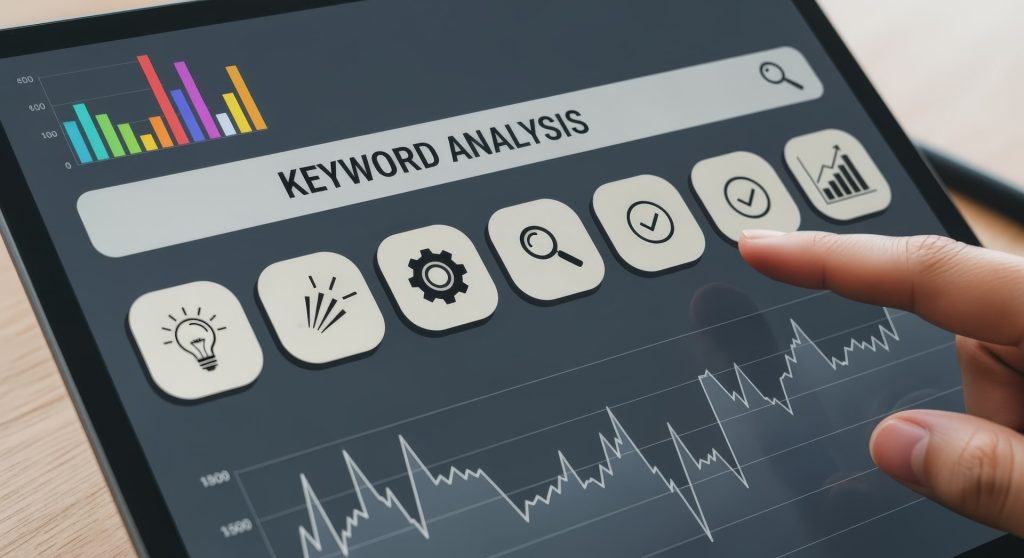
Local SEO thrives on local intent. Instead of targeting broad terms like “digital marketing services,” go for “digital marketing services in Dallas” or “affordable social media management in Miami.”
Use tools like Google Keyword Planner, SEMrush, or Ahrefs to find location-based keywords. Then, naturally integrate them into your website content, meta descriptions, and blog posts.
Pro tip: Create separate landing pages for each service area to maximize visibility in multiple locations.
Tip 3: Build Local Citations
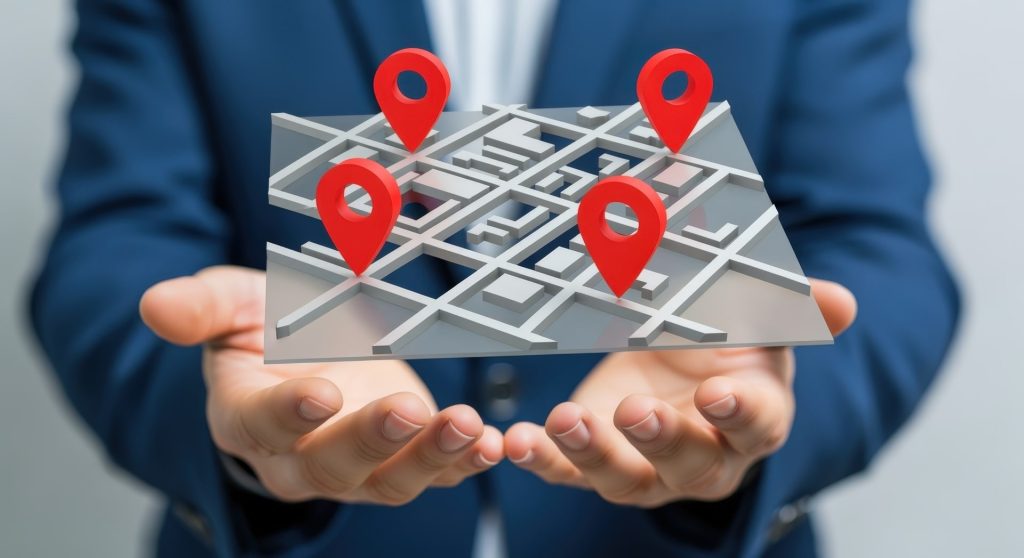
Citations are online mentions of your business name, address, and phone number on directories and websites like Yelp, Yellow Pages, or industry-specific listings.
Consistency is key. Ensure your NAP information matches across all platforms. Inconsistencies confuse search engines and can lower your rankings.
Start with major directories (Google, Yelp, Bing Places) and expand to niche directories relevant to your industry.
Tip 4: Encourage and Manage Reviews
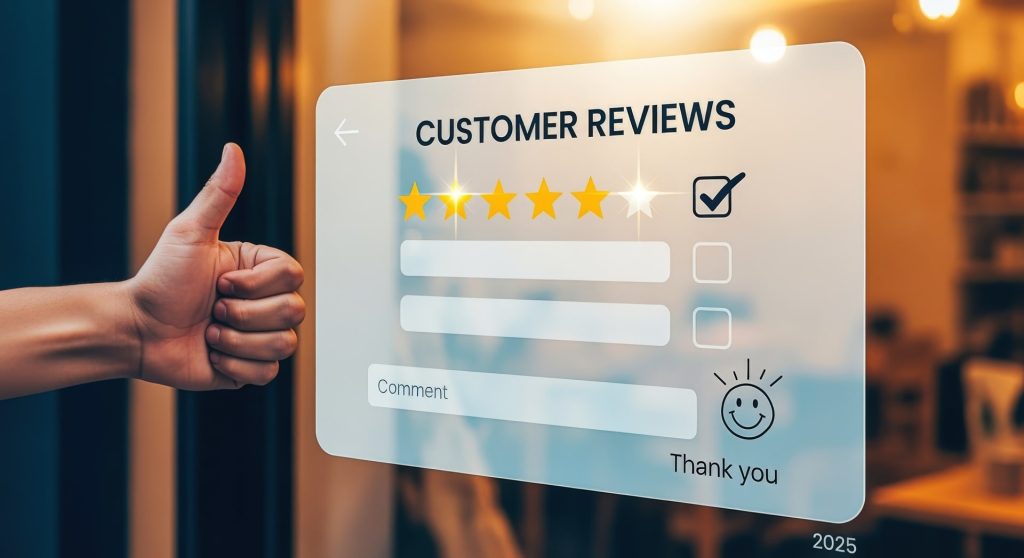
Online reviews are one of the strongest ranking factors for local SEO—and they heavily influence customer decisions. According to surveys, 87% of consumers read reviews before choosing a local business.
Encourage satisfied customers to leave reviews on Google, Yelp, and Facebook. Respond to all reviews—positive and negative—promptly and professionally. This not only boosts credibility but also signals trustworthiness to search engines.
Tip 5: Optimize for Mobile
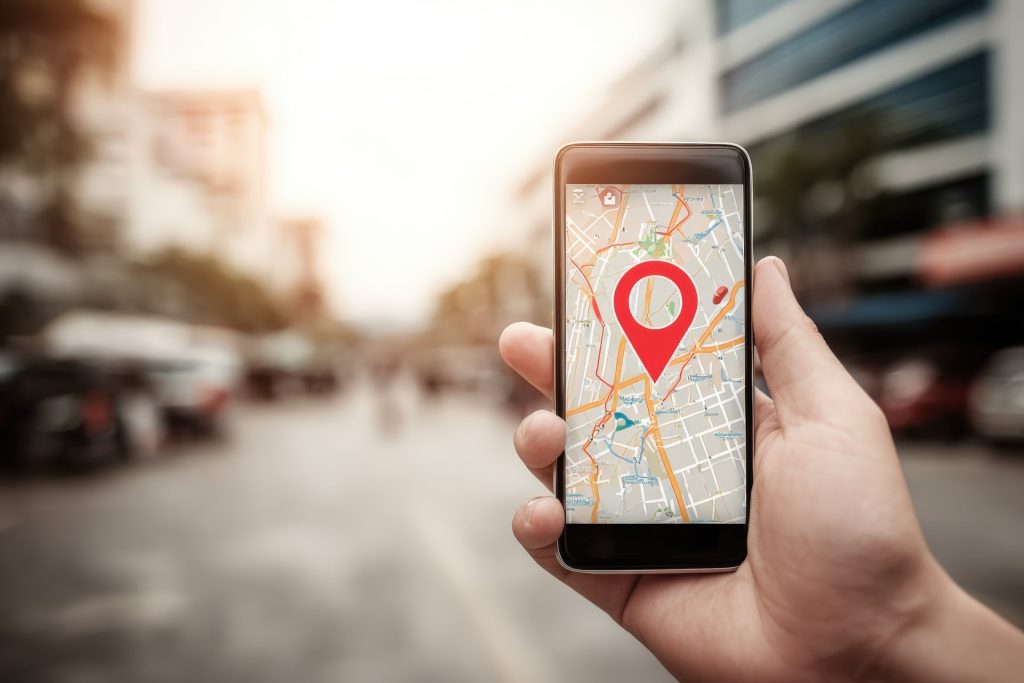
With the majority of local searches happening on mobile, your website must be mobile-friendly. A responsive design, fast load times, and easy navigation are non-negotiable.
Google prioritizes mobile usability in its rankings. If your site isn’t optimized, you’ll struggle to appear in local searches, no matter how good your content is.
Tip 6: Create Locally Relevant Content

Content marketing plays a big role in local SEO. Publishing blog posts and guides that target your community builds authority and relevance.
Examples:
- A plumber writing about “5 Common Plumbing Issues in Denver Homes.”
- A restaurant posting “Top 10 Family-Friendly Activities in Austin (and Where to Eat After).”
This type of content naturally incorporates local keywords while positioning your business as a trusted resource.
Tip 7: Use Schema Markup for Local SEO

Schema markup (structured data) helps search engines better understand your business information. Adding local business schema to your website improves your chances of appearing in rich snippets and Google’s Local Pack.
Key schema fields include:
- Business name, address, phone number
- Hours of operation
- Reviews and ratings
Many SEO plugins for WordPress make adding schema easy.
Tip 8: Leverage Google Maps Optimization
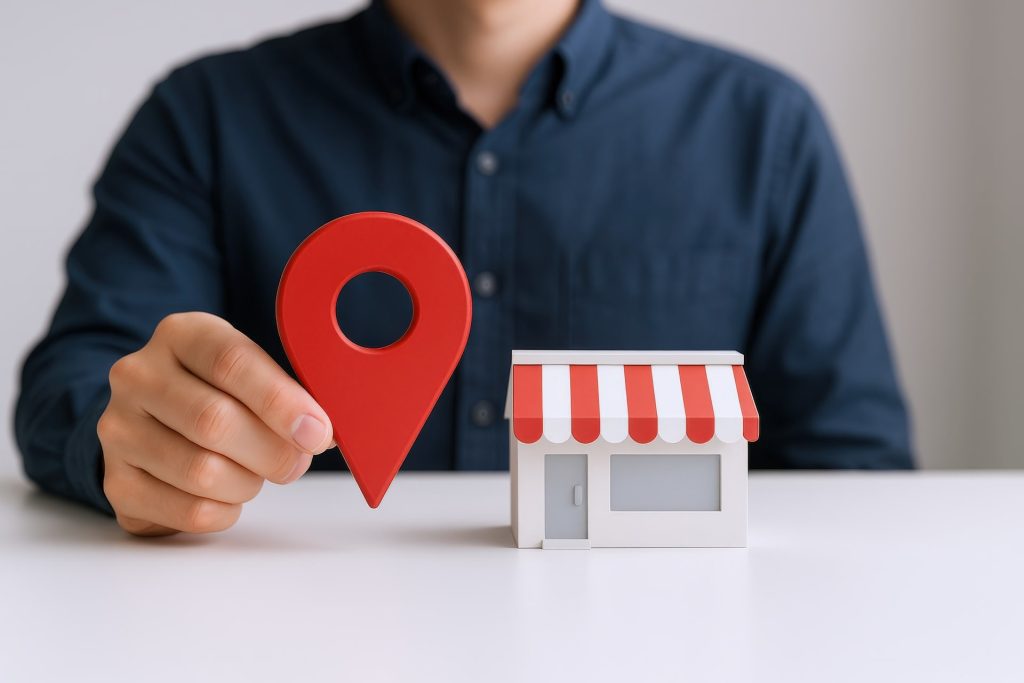
Ranking in Google Maps can be a game-changer. Optimize by:
- Embedding a Google Map of your location on your website.
- Adding service areas to your Google Business Profile.
- Using accurate location data across platforms.
The closer your business is to the searcher’s location, the higher you’re likely to appear.
Tip 9: Build Local Backlinks

Backlinks remain critical for SEO, and local backlinks carry extra weight for local rankings. Focus on earning links from local organizations, news outlets, and blogs.
Ideas include:
- Partnering with local influencers.
- Sponsoring community events.
- Joining your local Chamber of Commerce.
Each backlink strengthens your local authority.
Tip 10: Optimize for Voice Search

Voice search often overlaps with local search. Queries like “best pizza near me” or “closest car repair shop” are increasingly common.
To capture this traffic:
- Write content in a conversational tone.
- Use long-tail, question-based keywords.
- Create FAQ sections on your website.
Voice-friendly content ensures your business is visible to voice assistant users.
Tip 11: Focus on Page Speed

Slow websites frustrate users and hurt rankings. Use tools like Google PageSpeed Insights to identify issues. Optimize images, leverage browser caching, and use fast hosting to improve load times.
Local customers searching on mobile expect instant results. A delay of just one second can reduce conversions by 7%.
Tip 12: Leverage Social Media for Local Reach

While social media isn’t a direct ranking factor, it boosts visibility and drives traffic. Posting locally relevant content—such as community events or local partnerships—strengthens your brand’s local presence.
Encourage customers to tag your location and share experiences. This creates social signals that support your SEO efforts.
Tip 13: Create Service Area Pages

If your business serves multiple locations, create dedicated service area pages. Each page should be unique and optimized for that specific city or neighborhood.
For example:
- “Digital Marketing Services in Phoenix”
- “Digital Marketing Services in Scottsdale”
This helps you rank in multiple local searches and avoids diluting your main homepage.
Tip 14: Monitor and Track Local SEO Performance
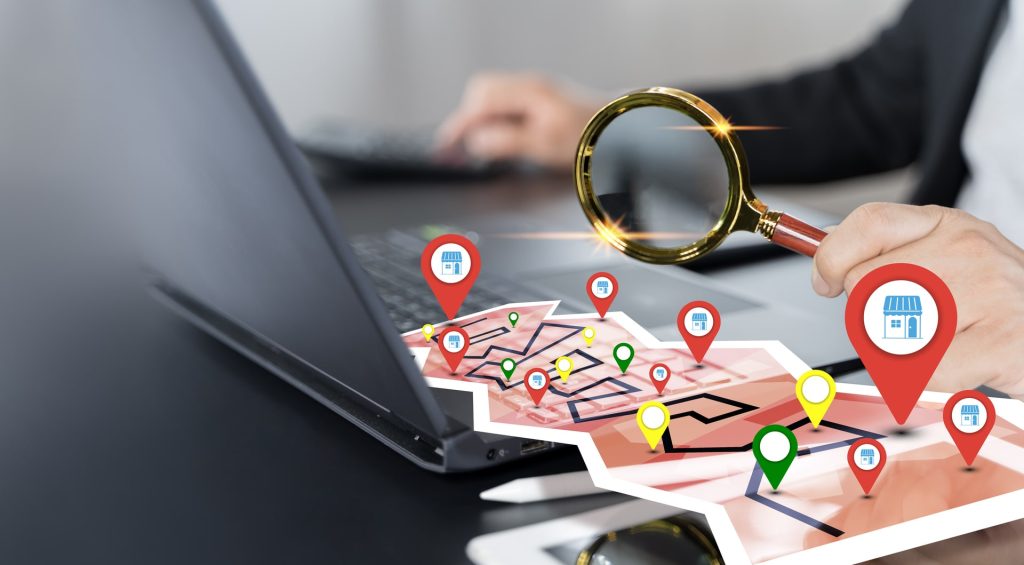
Set up Google Analytics and Google Search Console to track performance. Monitor metrics like:
- Organic traffic from local searches.
- Ranking for local keywords.
- Calls and visits from your Google Business Profile.
Regularly reviewing performance helps you refine your strategy and double down on what works.
Tip 15: Stay Updated on Algorithm Changes

Google’s algorithms change constantly. Staying updated ensures your strategy remains effective. Follow reputable SEO blogs, attend webinars, and consider working with experts who track updates daily.
Local SEO is dynamic, but businesses that adapt quickly maintain a competitive edge.
FAQs
Most small businesses start seeing results in 3–6 months, depending on competition.
Yes. While a Google Business Profile is powerful, a website provides more authority and opportunities for ranking.
Quality matters more than quantity. Aim for consistent, genuine reviews over time.
Yes, but it requires time and consistency. Tools like GoHighLevel can automate parts of the process.
Absolutely. You can set service areas in Google Business Profile to target local searches.
SEO targets broad searches globally, while local SEO focuses on location-based queries to attract nearby customers.
Very. Reviews and testimonials not only influence rankings but also customer trust.
In 2025, local SEO is a non-negotiable strategy for small businesses that want to thrive. From optimizing your Google Business Profile and encouraging reviews to creating local content and building citations, every step strengthens your online presence and makes you more discoverable to nearby customers.
By following these local SEO tips, you’ll not only rank higher in local searches but also attract customers who are ready to buy.
If you’d like expert help implementing these strategies while saving time, our team specializes in local SEO for small businesses. Paired with GoHighLevel CRM—available for under $50/month—you’ll have the tools to automate follow-ups, gather reviews, and track results seamlessly.
Contact us today to take your local SEO from invisible to irresistible.
Rank Higher with Local SEO Today