

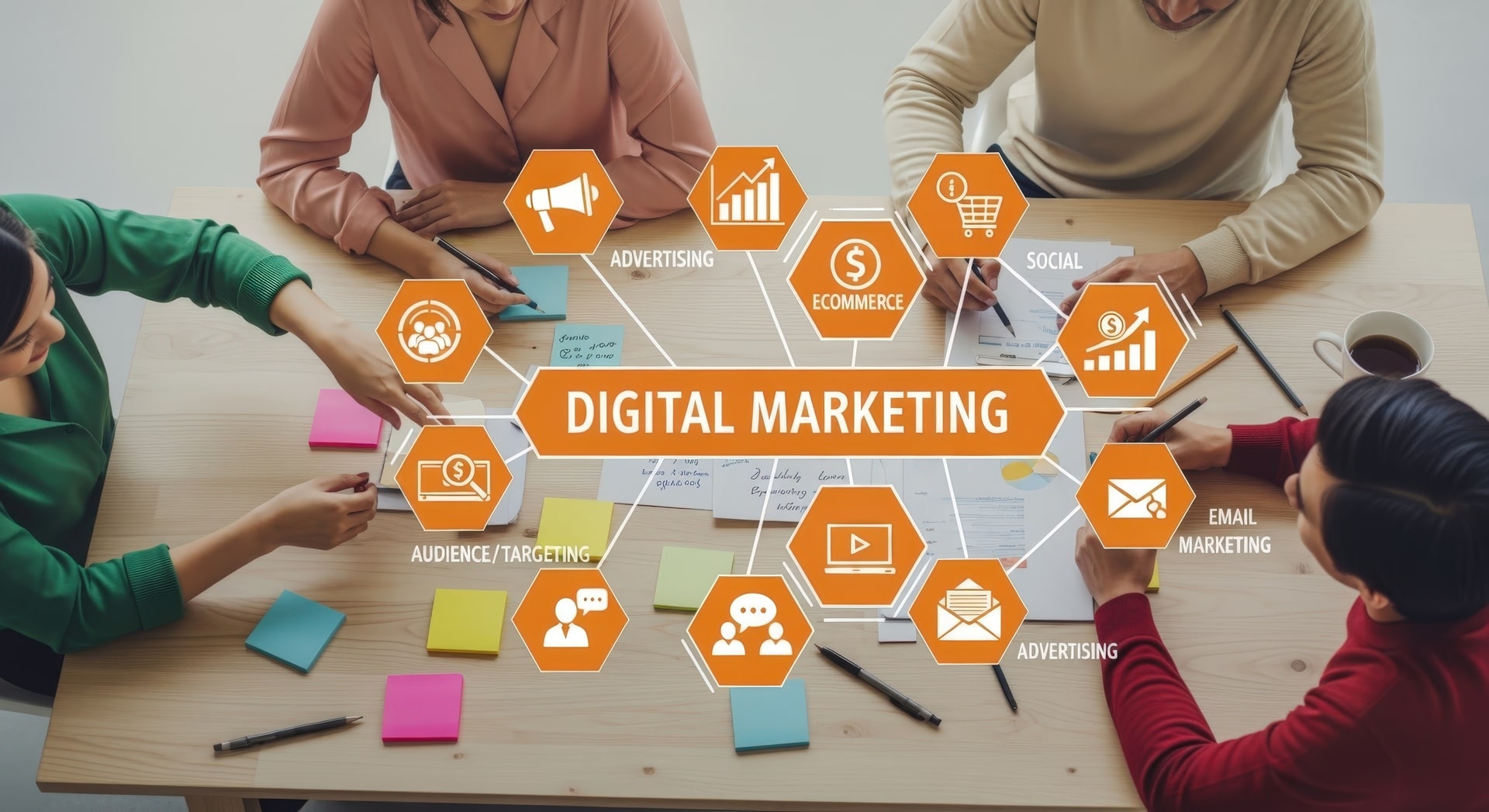
Why Trends Matter More Than Ever
Digital marketing has always been fast-paced, but 2025 is proving to be one of the most transformative years yet. From the rise of artificial intelligence to shifts in consumer expectations, businesses must adapt quickly or risk falling behind. For small businesses especially, staying informed about digital marketing trends is no longer optional—it’s essential for survival and growth.
Think about how much has changed in just the last five years. TikTok went from a niche platform to a marketing powerhouse. Voice assistants became household staples. AI went from futuristic buzzword to everyday business tool. These shifts remind us that marketing success depends on both timeless principles—like trust and storytelling—and timely adoption of new technologies.
In this guide, we’ll explore 10 digital marketing trends in 2025 that every business, regardless of size, should watch. More importantly, we’ll explain how small businesses can apply these trends without massive budgets.
AI-Powered Personalization Is the New Standard

Artificial intelligence has moved from novelty to necessity. In 2025, customers expect personalized experiences at every touchpoint. AI makes this possible by analyzing massive amounts of data to deliver tailored recommendations, personalized email campaigns, and predictive content suggestions.
For example, e-commerce stores now use AI to recommend products based on browsing history and purchase behavior. Streaming platforms like Netflix and Spotify personalize entire experiences with AI-driven suggestions.
Small businesses can harness AI too. Tools like GoHighLevel CRM integrate AI-driven segmentation and automation for under $50/month, allowing even modest teams to create personalized campaigns. In a world where generic messaging feels invisible, personalization powered by AI creates connection and loyalty.
Voice Search Optimization Is No Longer Optional

With billions of smart speakers and voice assistants like Alexa, Siri, and Google Assistant in homes and cars, voice search has become mainstream. By 2025, over 50% of all online searches are voice-based, and this trend continues to grow.
Voice search optimization requires a different approach than traditional SEO. People speak queries differently than they type them. For example, a typed search might be “best Italian restaurant NYC,” while a voice search might be “Where’s the best Italian restaurant near me?”
To adapt, businesses must focus on conversational keywords, natural language content, and FAQ-style pages. Local SEO also plays a huge role since many voice searches are location-based. For small businesses like restaurants, salons, or service providers, voice optimization can be the difference between being found—or being forgotten.
Short-Form Video Dominates Engagement

Video marketing has been growing for years, but short-form video officially rules in 2025. Platforms like TikTok, Instagram Reels, and YouTube Shorts dominate engagement metrics, with billions of daily views. Consumers prefer quick, entertaining, and informative clips they can consume on the go.
For businesses, this means focusing on storytelling in under 30 seconds. A bakery might post behind-the-scenes clips of frosting cupcakes. A real estate agent could share “house tour highlights” in quick bursts. Even B2B companies are finding success with short explainer clips or customer testimonials.
The beauty of short-form video is accessibility. With nothing more than a smartphone, small businesses can produce engaging content that competes with big brands. The key lies in creativity, consistency, and a strong hook in the first three seconds.
Interactive Content Boosts Engagement

In 2025, customers want to be part of the story, not passive spectators. That’s why interactive content—quizzes, polls, interactive videos, AR filters—is gaining traction.
Interactive content has several advantages:
- It increases engagement by inviting participation.
- It provides businesses with valuable data about customer preferences.
- It keeps audiences on your platform longer.
For example, a skincare brand might create a quiz: “Find Your Perfect Routine in 3 Questions.” Not only does this engage the user, but it also allows the brand to recommend products directly.
Small businesses can easily incorporate polls on Instagram Stories, interactive surveys via email, or even gamified experiences on their websites.
Sustainability and Values Drive Customer Loyalty

Consumers in 2025 care about more than products—they care about values. Businesses that demonstrate social responsibility, eco-friendly practices, or community support build deeper trust and loyalty.
It’s not enough to say you care. Customers expect transparency. That could mean showcasing sustainable sourcing, reducing packaging waste, or supporting local causes. Social media amplifies this, as audiences reward brands that align with their beliefs.
For small businesses, values can be a unique selling point. A local coffee shop highlighting fair-trade beans or a boutique promoting sustainable fabrics resonates with today’s conscious consumer.
Social Commerce Continues to Grow

Shopping directly on social media platforms is no longer a novelty—it’s mainstream. Instagram Shops, TikTok Shopping, and Pinterest’s buyable pins make it seamless for users to purchase without leaving the app.
This trend reduces friction, turning content into commerce. Businesses can tag products in posts, create shoppable videos, and streamline the buying process. For small businesses, it’s an affordable way to turn followers into customers without needing a complex e-commerce site.
Micro-Influencers Outperform Celebrities

Influencer marketing is still going strong in 2025, but the spotlight has shifted. Instead of million-dollar deals with celebrities, businesses are turning to micro-influencers—creators with 1,000 to 50,000 followers.
Why? Because micro-influencers have higher engagement rates and stronger trust with their audiences. A local food influencer promoting your restaurant may drive more sales than a celebrity who never visits.
For small businesses, this trend is golden. Micro-influencers are more affordable and more willing to collaborate creatively. The key is authenticity: partner with influencers who genuinely love your product.
Marketing Automation Saves Time and Boosts Consistency
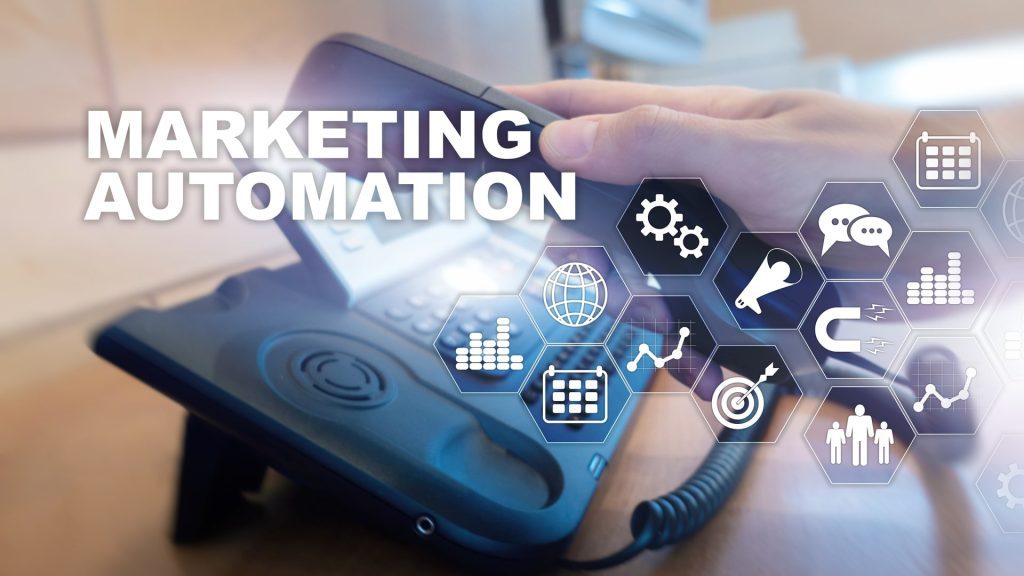
With so many channels to manage, small business owners can’t afford to do everything manually. Marketing automation has become essential in 2025. From automated email sequences to social media scheduling and customer follow-ups, automation ensures consistency and saves valuable time.
Workflows like welcome series, abandoned cart reminders, and re-engagement campaigns nurture leads automatically. CRM tools like GoHighLevel make it easy and affordable to implement automation that feels personal.
For small businesses with limited staff, automation acts like a silent employee working 24/7.
The Rise of Augmented Reality (AR) Marketing

AR is no longer futuristic—it’s here. From virtual try-ons in fashion to interactive product demos in retail, AR gives customers immersive experiences before they buy.
Small businesses can leverage AR through platforms like Instagram and Snapchat, which offer easy-to-create filters. A beauty salon might allow customers to “try on” hairstyles virtually, while a furniture store could offer AR previews of products in a customer’s home.
AR increases confidence in purchases, reduces returns, and creates memorable brand experiences.
First-Party Data Becomes Essential

With increasing privacy regulations and the decline of third-party cookies, businesses in 2025 must rely on first-party data—information collected directly from their audience.
This includes email subscriptions, survey responses, purchase history, and website behavior. By owning your data, you reduce reliance on platforms and maintain control over customer relationships.
Building strong email lists and loyalty programs is one of the best strategies for small businesses to future-proof against privacy changes.
FAQs
Video and automation offer the fastest returns, but prioritize based on your audience and resources.
No. Many affordable tools integrate AI features accessible to small teams.
It’s growing but not mandatory. Start simple with interactive content before exploring AR.
Absolutely. Social commerce and short-form video make it more important than ever.
Focus on timeless strategies like storytelling and customer relationships, then adopt trends selectively.
Digital marketing in 2025 is both exciting and challenging. From AI-powered personalization to interactive experiences and short-form video dominance, the landscape is evolving rapidly. For small businesses, the key isn’t to chase every trend but to focus on the ones that align with your goals and audience.
By adopting the right digital marketing trends in 2025, you can stand out from competitors, build stronger customer relationships, and future-proof your growth.
If you’d like expert guidance in applying these trends while saving time, our digital marketing services are here to help. With GoHighLevel CRM—available for under $50/month—you can automate campaigns, personalize outreach, and stay ahead of the curve.
Contact us today to explore how we can implement these trends for your business.
Stay Ahead with Digital Marketing