

Artificial intelligence (AI) is no longer a buzzword — it’s the backbone of modern marketing.
In 2025, AI powers everything from personalized emails to predictive analytics and content creation. But as automation becomes more advanced, a new challenge has emerged: how to stay human in an AI-driven world.
Consumers don’t just want smart marketing; they want sincere marketing. They crave connection, not just convenience.
That’s why the future belongs to businesses that use AI not to replace authenticity — but to enhance it.
The Evolution of AI in Digital Marketing
Over the past decade, AI has evolved from a back-end analytical tool to a full-fledged creative and strategic partner.
Phase 1: Automation (2010–2015)
AI started by automating repetitive tasks — scheduling posts, segmenting lists, analyzing basic metrics.
Phase 2: Optimization (2016–2020)
Machine learning began personalizing ads, predicting customer behavior, and optimizing campaigns in real time.
Phase 3: Collaboration (2021–2025)
AI now collaborates with humans to create content, generate insights, and even tell stories.
Tools like ChatGPT, Jasper AI, and Canva Magic Studio are making marketers faster — but success still depends on the human behind the prompt.
Why AI Matters More Than Ever in Marketing
The digital landscape has become hyper-personalized, data-saturated, and attention-deficient.
AI is the solution to all three challenges — but only when guided by empathy.
1. Scale
AI processes massive data sets instantly, identifying trends and insights that would take humans weeks to find.
2. Speed
AI-powered tools generate, test, and optimize campaigns in real time.
3. Precision
AI eliminates guesswork. It tells marketers exactly what their audience wants, when, and how.
According to PwC’s AI Report, AI could contribute over $15.7 trillion to the global economy by 2030 — and marketing is leading that growth.
How AI Is Transforming Key Areas of Digital Marketing
1. Content Creation
AI tools can now write blog posts, design visuals, and even generate videos.
Platforms like ChatGPT, Copy.ai, and Synthesia enable teams to produce high-quality content in minutes.
But remember: AI can create, not feel. The best marketers blend AI efficiency with human creativity — emotion, storytelling, and tone.
2. Personalization
AI excels at understanding customers individually.
Through predictive analytics, tools like GoHighLevel CRM identify behavior patterns and automate personalized messages based on real-time interactions.
Example:
A visitor browses your pricing page twice but doesn’t convert.
AI triggers an automated follow-up email:
“We noticed you were exploring our plans — here’s how businesses like yours are saving 10+ hours a week.”
That’s intelligent marketing with empathy.
3. Predictive Analytics
AI forecasts customer actions before they happen.
By analyzing engagement history, purchase data, and browsing behavior, predictive models anticipate:
- Who’s likely to buy
- Who’s at risk of churning
- What content converts best
Marketers can then allocate budgets and resources proactively — not reactively.
Tools like Google Analytics 4 and HubSpot now include predictive AI dashboards built for this exact purpose.
4. Social Media Marketing
AI-driven platforms help brands plan, publish, and measure performance automatically.
Apps like Lately.ai and Ocoya analyze past engagement to craft captions that resonate emotionally while optimizing timing for maximum reach.
Even platforms like TikTok and Instagram use AI algorithms to determine what content users see first — meaning understanding AI is crucial to visibility.
5. Paid Advertising
AI eliminates waste in ad spending.
Platforms like Meta Ads Manager and Google Ads now rely on AI bidding algorithms to optimize cost-per-click and conversion value.
Marketers can feed creative variations into AI systems that automatically learn what works — refining targeting, copy, and visuals in real time.
6. Customer Support and Chatbots
AI chatbots now handle customer queries instantly — reducing wait times and freeing human teams to focus on complex issues.
According to IBM, AI chatbots can resolve up to 80% of routine customer inquiries, enhancing satisfaction while cutting costs.
But the key to success is tone. A chatbot shouldn’t sound robotic — it should sound empathetic.
Tools like ManyChat and Drift let you customize conversational tone while integrating with CRMs like GoHighLevel.
Balancing Automation and Authenticity

Here’s the paradox of AI marketing:
The more automated your campaigns become, the more authentic they must feel.
Automation saves time, but only empathy saves trust.
The Right Balance Looks Like This:
- AI handles: Data, delivery, and optimization.
- Humans handle: Emotion, strategy, and storytelling.
When used together, AI becomes your assistant — not your replacement.
The Role of Emotional Intelligence in AI Marketing
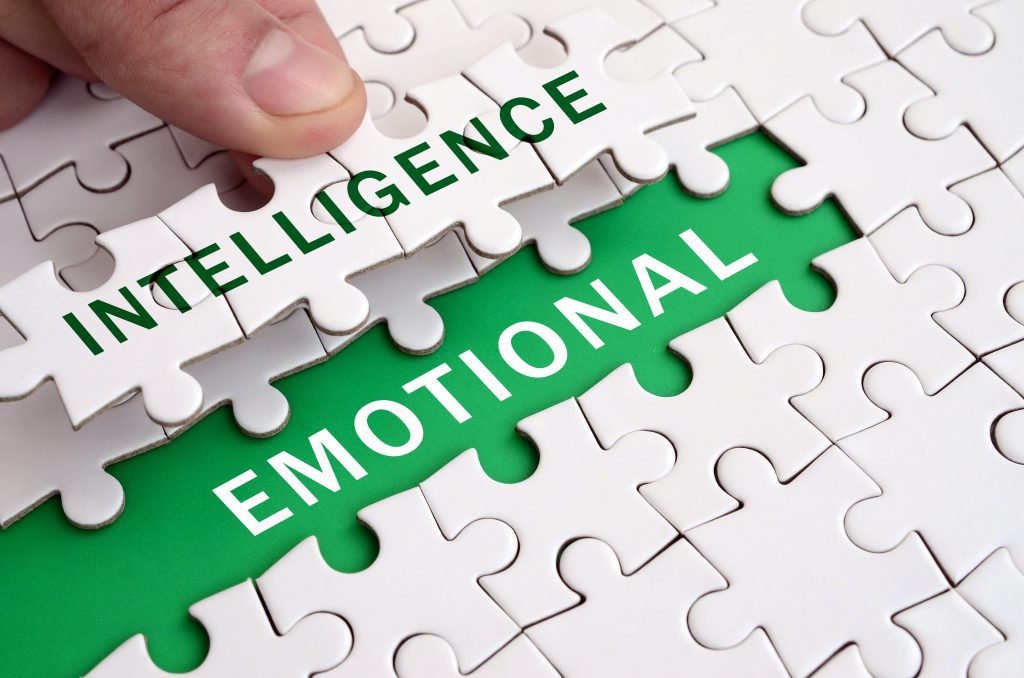
The best marketers combine data-driven precision with emotional intelligence.
Emotionally intelligent marketing means using AI insights to respond to human needs — not manipulate them.
Example:
Instead of sending aggressive retargeting ads, use AI data to deliver helpful content like guides or checklists.
When customers feel understood rather than targeted, conversion rates rise naturally.
Ethics and Transparency in AI Marketing
As AI takes a greater role in shaping experiences, transparency is crucial.
According to Salesforce’s State of the Connected Customer, 61% of consumers are concerned about how companies use AI and data.
To stay ethical:
- Always disclose AI-generated content.
- Never use AI to imitate human communication deceptively.
- Ensure data is collected and processed with consent.
Transparency builds the trust that AI can’t.
How Small Businesses Can Harness AI

You don’t need a massive budget to benefit from AI. Affordable, accessible tools make it possible for even solopreneurs to scale their marketing efficiently.
1. Automate Customer Journeys
Use GoHighLevel CRM to automate entire marketing funnels — from lead capture to nurturing to conversion — all while personalizing communication at every stage.
2. AI-Powered Content Ideas
Tools like Copy.ai and SurferSEO help brainstorm and optimize blog content around trending keywords and audience intent.
3. Smart Scheduling
AI scheduling tools like Later and Metricool analyze performance data to post at optimal times automatically.
4. Lead Scoring and Follow-Up
AI identifies high-value leads based on engagement patterns, helping small teams prioritize their time effectively.
Case Studies: AI Done Right
Coca-Cola’s “Create Real Magic” Campaign
Coca-Cola launched an AI-powered design platform that lets fans generate artwork using brand assets and OpenAI technology.
The campaign wasn’t about automation — it was about co-creation.
Starbucks’ Predictive Ordering
The Starbucks app uses AI to anticipate orders based on time, weather, and purchase history.
This personalization feels intuitive, not intrusive — the hallmark of authentic AI.
HubSpot’s AI CRM Integration
HubSpot uses AI to analyze conversations, recommend actions, and even write personalized email replies — helping businesses communicate faster while staying human.
Challenges of Using AI in Marketing
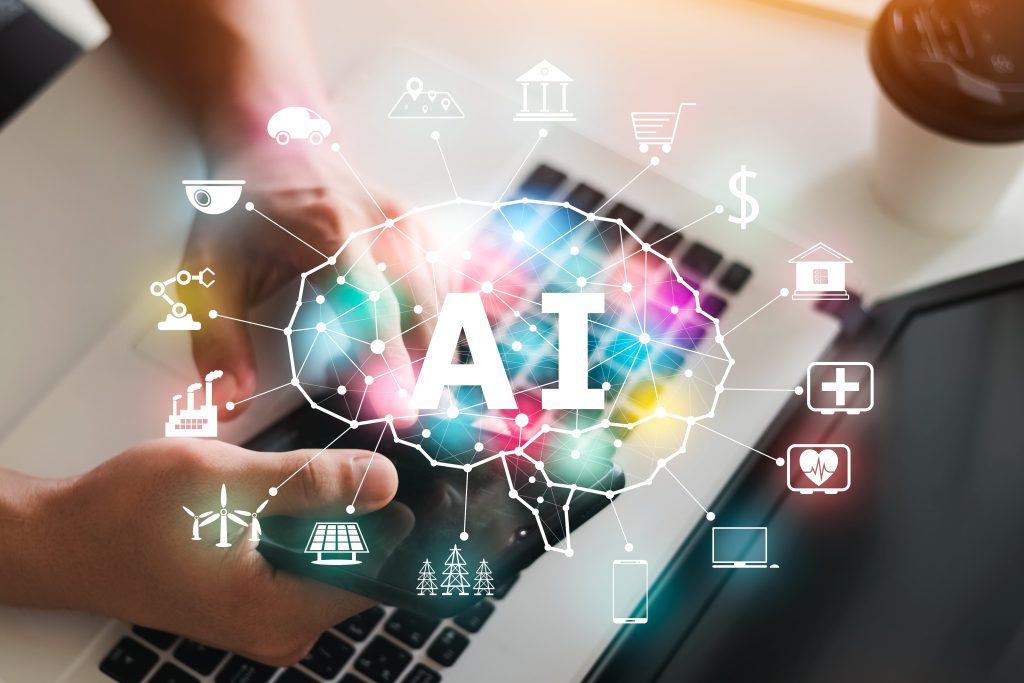
- Data Privacy Concerns: Overreliance on AI can risk user privacy if not managed ethically.
- Over-Automation: When everything feels “templated,” trust erodes.
- Loss of Creativity: AI can replicate style but not original emotion.
- Bias in Algorithms: AI reflects the biases of its training data — requiring human oversight.
AI should assist your marketing team — not dictate it.
The Future of AI in Marketing (2025 and Beyond)
The next phase of AI marketing is adaptive personalization — experiences that evolve in real time, powered by emotion-aware technology.
Emerging trends include:
- AI Emotion Detection: Analyzing facial expressions and tone to gauge reactions.
- Voice AI Marketing: Using natural language to personalize audio ads.
- Generative Design: AI building custom visuals and interfaces automatically.
- Predictive Storytelling: AI forecasting which stories will perform best.
But even in this future, one truth remains: the brands that win will be the ones that sound the most human.
FAQs
Q1: What is AI in digital marketing?
It’s the use of artificial intelligence to automate, analyze, and personalize marketing strategies.
Q2: Does AI replace human marketers?
No. It amplifies human creativity and decision-making — it’s a collaborator, not a competitor.
Q3: How can small businesses use AI affordably?
By leveraging accessible tools like GoHighLevel CRM, Copy.ai, and Metricool for automation and insights.
Q4: Is AI ethical in marketing?
Yes — if it’s transparent, respectful of privacy, and used to serve the customer, not exploit them.
Q5: Can AI write authentic content?
It can assist with structure and research, but emotional authenticity comes from humans.
Q6: What’s the best balance between AI and authenticity?
Let AI handle data; let humans handle empathy.
Q7: What’s next for AI marketing?
Emotion-aware automation and hyper-personalized customer journeys.
Artificial intelligence isn’t the future of marketing — it’s the present.
But success doesn’t come from replacing humans with algorithms. It comes from using AI to amplify what makes humans irreplaceable: empathy, creativity, and authenticity.
As AI gets smarter, your job as a marketer is to stay real.
If you’d like expert help building AI-powered marketing systems that balance automation and authenticity, our team can help.
With GoHighLevel CRM—available for under $50/month—you can integrate AI-driven personalization, automation, and analytics into one seamless platform — while maintaining a human voice that builds trust.
Let AI handle the systems — you handle the soul.
Start Your AI-Powered Marketing Journey