
Introduction: Why the Debate Between Organic and Paid Is Outdated

For years, marketers debated: Should I focus on organic marketing (like SEO and social media) or invest in paid ads? The truth in 2025 is simple: you need both.
Organic marketing builds trust, authority, and long-term visibility. Paid marketing delivers speed, precision, and scalability. Together, they create a system where organic nurtures relationships while paid accelerates results.
According to HubSpot’s State of Marketing Report, companies that integrate organic and paid efforts see 67% higher ROI compared to those that rely on just one approach.
This article explores organic vs paid marketing, not as a battle but as a partnership. You’ll learn their differences, strengths, limitations, and—most importantly—how to combine them for maximum impact.
Organic Marketing: Building Long-Term Equity

Organic marketing refers to strategies that attract customers naturally, without direct ad spend. Think SEO blogs, social media content, email newsletters, and community building.
Strengths of Organic Marketing
- Credibility & Trust: Audiences trust organic search results and genuine social engagement more than ads.
- Cost-Effectiveness: Requires time and effort but not constant ad spend.
- Compounding Returns: Content and SEO generate leads for months or years after publishing.
Limitations of Organic Marketing
- Slow Results: SEO and audience growth take time.
- Algorithm Dependence: Social media reach can shrink overnight due to changes.
- High Competition: Standing out requires consistent quality.
Example: A local dentist starts a blog with SEO-focused posts like “How to Prevent Cavities at Home.” Within 6 months, organic traffic grows steadily, and by year-end, 40% of new patients come from organic search.
Paid Marketing: Accelerating Visibility and Conversions

Paid marketing includes digital ads on platforms like Google, Facebook, Instagram, TikTok, and LinkedIn. It’s about buying attention with precision.
Strengths of Paid Marketing
- Immediate Results: Ads drive traffic within hours of launching.
- Targeting Power: Reach audiences by demographics, interests, behavior, and intent.
- Scalability: Increase results by raising budgets.
Limitations of Paid Marketing
- Ongoing Costs: Once you stop spending, results stop.
- Ad Fatigue: Audiences may tune out repetitive ads.
- Learning Curve: Requires testing, optimization, and expertise.
Example: A new e-commerce store launches Facebook Ads targeting women aged 25–40 interested in eco-friendly fashion. Within the first month, sales double compared to relying only on organic Instagram posts.
Organic vs Paid Marketing: Key Differences at a Glance
| Factor | Organic Marketing | Paid Marketing |
| Cost | Time investment, low ad spend | Continuous budget required |
| Speed | Slow, long-term growth | Immediate results |
| Credibility | High trust (unpaid, authentic) | Lower trust (audiences know it’s paid) |
| Sustainability | Long-lasting impact | Stops when spending stops |
| Targeting | Broad, content-driven | Highly specific, audience targeting |
| Best For | Building authority & awareness | Driving fast leads & conversions |
Why Integration Beats Isolation

Separately, organic and paid have weaknesses. Together, they cover each other’s gaps.
- Organic establishes trust → Paid amplifies visibility.
- Organic nurtures leads → Paid closes deals faster.
- Paid tests messaging quickly → Organic refines content based on proven results.
In other words, integration creates synergy.
Case Study: A Small Business That Combined Organic + Paid

A boutique fitness studio wanted more memberships. Initially, they only posted organically on Instagram—growth was slow. Then they launched Facebook Ads offering a free trial class.
Here’s what happened:
- Paid ads generated immediate sign-ups for free trials.
- Organic posts nurtured those trial participants with workout tips, behind-the-scenes videos, and success stories.
- Within 3 months, 40% of trial participants became paying members.
The lesson? Paid brought people in, organic kept them engaged.
How to Combine Organic and Paid Marketing for Maximum Impact

Integration isn’t about splitting 50/50—it’s about using each strategically.
1. Use Paid Ads to Amplify Organic Content
If a blog or post performs well organically, boost it with paid ads. This ensures proven content reaches wider audiences.
2. Leverage Organic Insights for Paid Campaigns
See what your audience engages with organically—topics, visuals, CTAs—and use them in ad creative. This reduces guesswork.
3. Retarget Organic Visitors with Paid Ads
Not everyone who reads your blog or visits your site will convert immediately. Retargeting campaigns remind them with offers.
4. Balance Short-Term and Long-Term Goals
- Use paid for quick wins (product launches, promotions).
- Use organic for brand equity and trust-building.
5. Align Messaging Across Both
Whether someone finds you via Google, Instagram, or a Facebook Ad, your messaging should be consistent. Disjointed messaging confuses audiences.
Practical Framework for Small Businesses
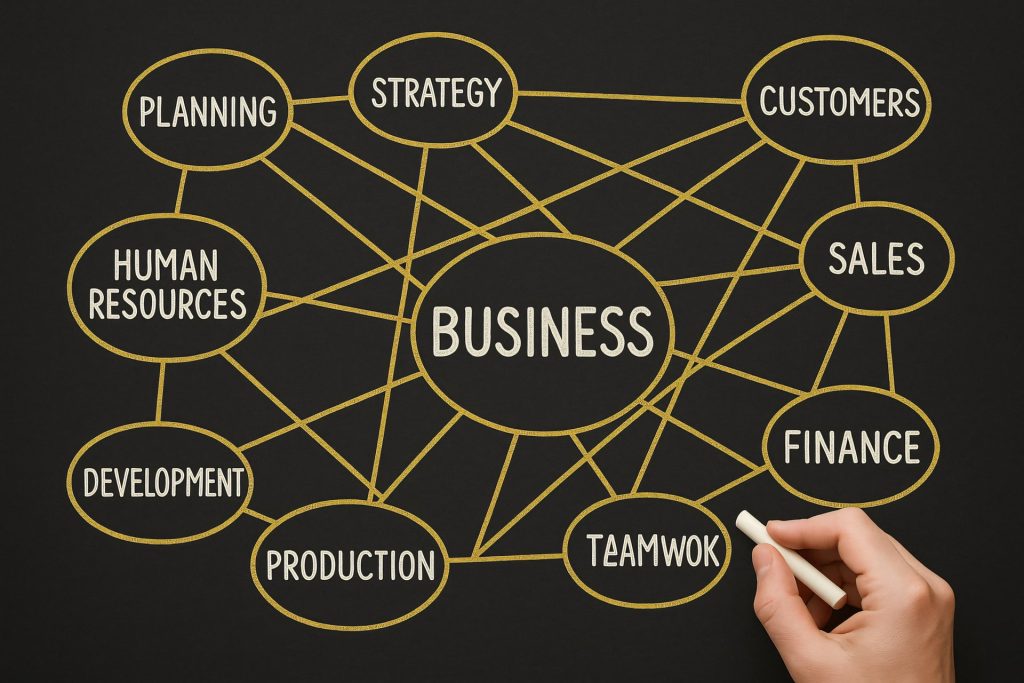
Here’s a step-by-step framework for blending organic and paid marketing:
- Foundation: Build an SEO-optimized website and publish 2–4 blogs/month.
- Engagement: Post consistently on 1–2 key social platforms.
- Amplification: Run low-budget ads to boost top-performing content.
- Acquisition: Launch targeted paid campaigns for lead generation.
- Retention: Use organic content (email, social, blogs) to nurture leads.
- Iteration: Analyze performance, refine, and repeat.
The Future of Organic + Paid in 2025

AI and automation are blurring the lines between organic and paid. For example:
- AI tools recommend which organic posts to boost.
- CRM systems like GoHighLevel automate follow-ups from both paid and organic leads.
- Data-driven personalization ensures every interaction—paid or organic—feels seamless.
The future isn’t “either/or.” It’s integrated, AI-powered, and customer-centric.
FAQs
Start with organic to build a foundation, then use paid for faster growth.
Begin with $10–20/day, then increase as campaigns prove ROI.
Yes—human authenticity and authority still win.
Yes, but you risk looking transactional. Organic content builds trust.
Facebook, Instagram, TikTok, and LinkedIn. SEO + Google Ads also pair well.
Track ROI from both traffic and conversions—not just likes or clicks.
Treating organic and paid as separate silos instead of one system.
In 2025, the smartest businesses aren’t choosing between organic vs paid marketing—they’re combining both. Organic provides credibility and longevity. Paid delivers speed and precision. Together, they create a marketing machine that attracts, engages, and converts consistently.
If you’d like expert support creating an integrated strategy that balances SEO, content, and paid campaigns, our team can help. Paired with GoHighLevel CRM—available for under $50/month—you’ll also gain automation and analytics to keep your marketing consistent and effective.
Contact us today to build a marketing mix that works harder for your business.
Get Started with Integrated Marketing