

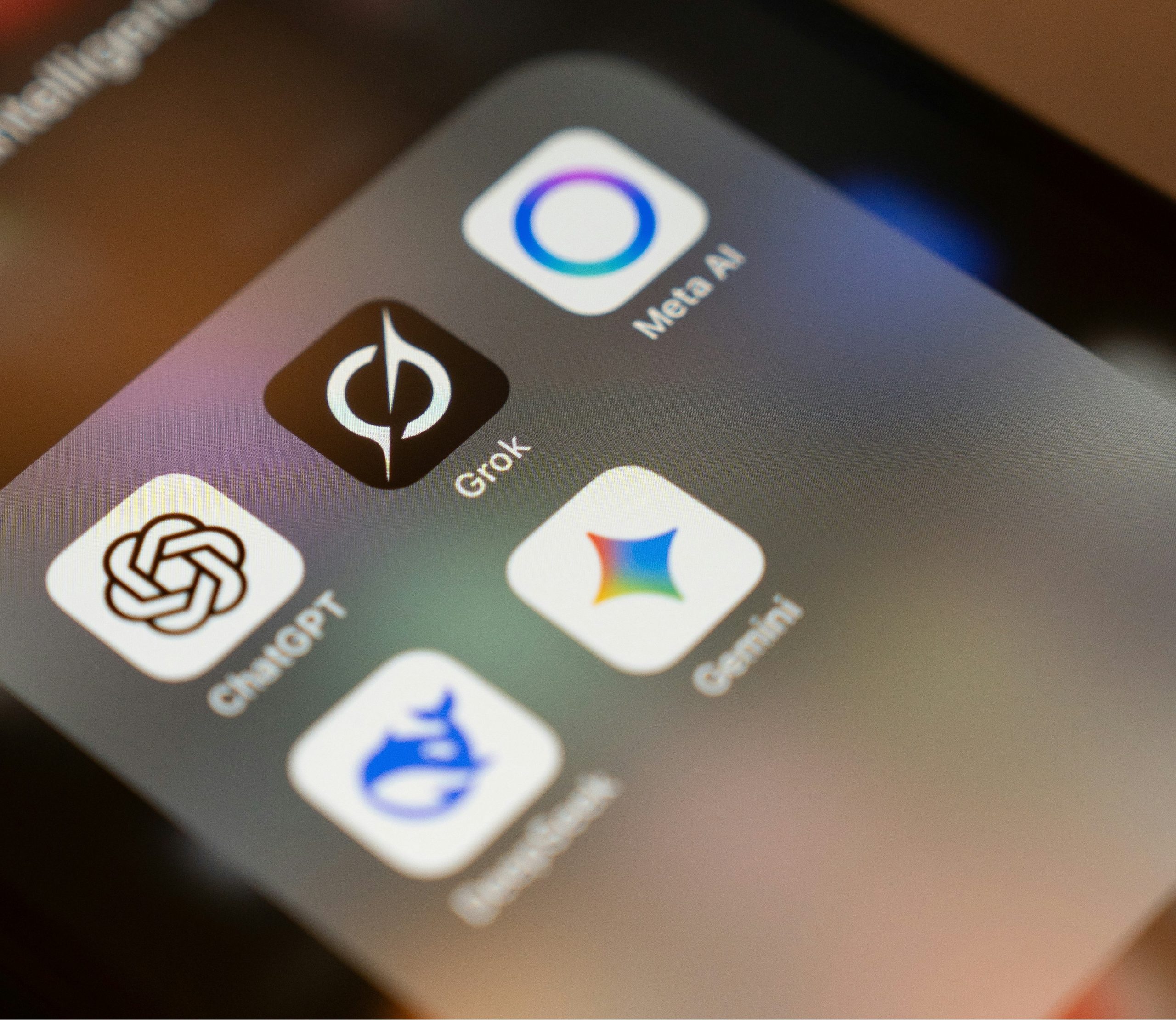
The year 2026 is defined by one rule: AI isn’t coming for your job; a person using AI is.
Digital marketers are no longer just content creators or advertisers; they are strategists, data scientists, and prompt engineers. The key to maximizing your ROI, eliminating bottlenecks, and achieving true scale lies in leveraging the right AI tools for digital marketing.
This guide breaks down the 10 most essential AI-powered platforms every marketing team needs to integrate this year, covering everything from generative content to predictive analytics.
1. The AI Imperative: Why Marketers Can’t Afford to Wait

In the digital landscape, speed and personalization win. AI provides both.
Where traditional marketing relied on slow A/B testing, AI-powered tools allow for hyper-segmentation, instant content generation, and predictive forecasting—all at a fraction of the time and cost. The competitive gap between companies using AI for efficiency and those that aren’t is widening exponentially.
The core benefit is not just doing tasks faster, but achieving Hyper-Relevance at scale.
The AI Marketing Value Proposition
$$\text{Efficiency} + \text{Scale} + \text{Hyper-Relevance} = \text{Maximum ROI}$$
Ignoring AI is no longer a strategic choice; it’s a competitive liability.
Pro Tip Start with a small, high-impact area. Using an AI tool to generate 10 social media variations in the time it takes to write one manual post is an immediate, measurable win that demonstrates the platform’s value.
2. Content & SEO: The Generative Powerhouse (Tools 1-3)

AI has revolutionized the creation of high-quality, SEO-optimized content. These tools are crucial for scaling your content calendar without sacrificing quality or authority.
Tool 1: AI-Powered SEO Content Generators
Platforms like Jasper or Copy.ai use large language models (LLMs) to draft blog posts, ad copy, and video scripts. Their primary value lies in overcoming writer’s block and scaling output.
Tool 2: SEO Optimization & Topic Clustering
Tools like Surfer SEO and Clearscope analyze top-ranking content for specific keywords, providing real-time recommendations for length, keyword density, and semantic phrases. This ensures your content is not only creative but technically optimized for high search visibility.
Tool 3: Dynamic Image and Asset Creation
Generative AI, like Midjourney or Adobe Firefly, allows marketers to create custom, on-brand visual assets instantly, eliminating the reliance on expensive stock photo subscriptions or slow design workflows.
Pro Tip Always fact-check and apply a strong human editorial layer to AI-generated content. AI excels at drafting, but human expertise is essential for adding unique insights, brand voice, and establishing authority.
3. Personalization & Customer Experience (CX) (Tools 4-6)

Personalization drives conversions. These tools use AI to understand individual user behavior and tailor every touchpoint for maximum impact.
Tool 4: Predictive Personalization Engines
E-commerce platforms like Dynamic Yield use AI to analyze historical behavior and predict the next best product, content piece, or call-to-action (CTA) for each visitor, personalizing website layouts in real-time.
Tool 5: AI-Driven Chatbots and Virtual Assistants
Advanced conversational AI, such as Intercom’s Fin, goes beyond basic routing. It can solve complex customer queries, qualify leads, and provide 24/7 personalized support, ensuring a frictionless customer journey.
Tool 6: Email Segmentation and Timing Optimization
CRMs like HubSpot now employ AI to determine the exact optimal time to send an email to each individual recipient and automatically segment audiences based on deep behavioral cues, boosting open rates and engagement.
Pro Tip Don’t just personalize the name; personalize the problem. Use AI to identify the specific pain point a user is experiencing (e.g., cart abandonment, repeated login failure) and send a hyper-targeted message addressing only that issue.
4. Data Analysis & Predictive Forecasting (Tools 7-8)

Moving from hindsight to foresight is a competitive game-changer. These tools use machine learning to process massive data sets and anticipate future outcomes.
Tool 7: Advanced Attribution Modeling
Platforms like Adverity consolidate data from all channels (Google Ads,Meta Ads Manager, organic search, etc.) and use AI to assign accurate conversion credit, giving you a true measure of campaign ROI.
Tool 8: Predictive Churn & Lifetime Value (LTV)
Analytical tools are evolving to predict which customers are likely to leave (churn) or which are most likely to become high-value customers (high LTV). This allows marketing teams to proactively allocate retention or upsell resources.
Pro Tip Focus your AI analysis on high-friction areas. If your conversion funnel has a 50% drop-off at Step 3, deploy an AI tool to analyze the user path data at that specific point to uncover hidden behavioral patterns.
5. Automation & Workflow Optimization (Tools 9-10)

These tools free up valuable human time by handling repetitive, time-consuming marketing tasks consistently and accurately.
Tool 9: Social Media Management & Optimization
AI-powered schedulers like Buffer or Sprout Social not only post content but analyze performance to suggest optimal posting times and recommend content variations that resonate best with a segmented audience.
Tool 10: Ad Budget Allocation and Bidding
AI bidding strategies in platforms like Google Ads and Meta Ads Manager are essential. They use real-time data to adjust bids and allocate budgets across campaigns to hit specific cost-per-acquisition (CPA) targets with minimal human intervention.
Pro Tip Marketing Automation is not a luxury; it is the engine of consistency. Use your CRM’s automation features (like GoHighLevel CRM) to manage lead nurturing, follow-ups, and sales handoffs, ensuring no prospect falls through the cracks.
6. The Future-Proof Marketer: Integrating AI Ethically

Integrating these tools is the future of digital marketing. However, the true value comes from using them to enhance human creativity and focus, not replace it.
The best marketers of 2026 will be those who master the integration of AI while maintaining a commitment to transparency and ethical data use. Start experimenting with these tools today to ensure your brand is built to dominate tomorrow.
FAQs
Q1: How much budget should I allocate for AI tools? Start by investing 10% of your current content/software budget into two key tools: one for content generation and one for analytics. Scale up based on measurable ROI.
Q2: Is AI content penalized by Google? No. Google penalizes low-quality, unhelpful, or spammy content, regardless of whether it’s written by a human or AI. The focus must be on E-E-A-T (Experience, Expertise, Authoritativeness, and Trustworthiness).
Q3: Which AI tool is best for small businesses? For small businesses, start with a comprehensive, affordable platform like GoHighLevel CRM that combines AI-driven email sequencing, marketing automation, and simple analytics in one place.
Q4: How quickly can I see results from implementing AI tools? You can see immediate efficiency gains (e.g., faster content drafts, quicker data pulls). Measurable ROI (higher conversions, lower CPA) typically takes 1–3 months as the models learn your unique data.
Q5: What is the most important skill for marketers working with AI? Prompt engineering and critical thinking. The ability to ask the right questions and apply human judgment to AI-generated output is the most valuable skill moving forward.
Ready to transform your marketing strategy from reactive to predictive?Embracing the right AI tools for digital marketing is the single best way to future-proof your career and your company’s growth. Stop doing repetitive tasks, and start doing high-leverage strategy.